Lancaster Gate upholstery cleaning Bayswater W2
If your sofa is looking a bit tired, your dining chairs have picked up everyday grime, or an armchair has that faint "lived-in" smell that never quite goes away, you are in the right place. Lancaster Gate upholstery cleaning Bayswater W2 is one of those services people usually look up when they finally notice that fabric furniture is doing more than collecting dust. It is holding onto spills, skin oils, pet hair, city pollution, and the general chaos of normal life.
Truth be told, upholstery often gets overlooked until a stain sets in or colours start to look dull. The good news? Most pieces can be brought back to life with the right cleaning approach, careful stain treatment, and proper drying. This guide explains how the process works, what to expect, when it makes sense, and how to avoid the common mistakes that can make a bad spot worse. If you want a cleaner home without gambling on the wrong method, keep reading.
- Why Lancaster Gate upholstery cleaning Bayswater W2 matters
- How Lancaster Gate upholstery cleaning Bayswater W2 works
- Key benefits and practical advantages
- Who this is for and when it makes sense
- Step-by-step guidance
- Expert tips for better results
- Common mistakes to avoid
- Tools, resources and recommendations
- Law, compliance, standards, or best practice
- Options, methods, or comparison table
- Case study or real-world example
- Practical checklist
- Conclusion
- Frequently asked questions
Why Lancaster Gate upholstery cleaning Bayswater W2 Matters
Upholstery is not just about looks. It is one of the hardest-working surfaces in a home or workplace, which means it absorbs a surprising amount over time. Fabric fibres trap dust, crumbs, body oils, airborne particles, drink spills, and odours. In a busy Bayswater or Lancaster Gate setting, that build-up can happen faster than people expect, especially in homes with children, pets, guests, or frequent use.
There is also a comfort factor. A clean sofa feels different. It looks brighter, smells fresher, and somehow makes the whole room feel more put together. You notice it in the evening when you sink into the cushions and the fabric feels fresh rather than a bit sticky or dusty. Small thing, maybe. But it matters.
For landlords, letting agents, short-let hosts, and commercial operators, regular upholstery care can help keep furniture presentable between tenancies or guest stays. For households, it can reduce the "we really should deal with that" feeling that sits in the back of your mind every time you walk past the armchair.
There is a practical side too: deep cleaning can help extend the life of fabric furniture, reduce wear caused by embedded grit, and improve the overall condition of the material. That is especially useful for pieces that are expensive to replace or awkward to move. Let's face it, no one wants to wrestle a three-seater down a narrow staircase unless they really have to.
How Lancaster Gate upholstery cleaning Bayswater W2 Works
Professional upholstery cleaning is more than a quick spray and wipe. A good clean starts with identifying the fabric type, the construction of the item, and the level of soiling. That matters because velvet, wool blends, cotton, synthetic fabrics, and delicate mixed materials all respond differently. Treating every item the same is how people end up with water marks, shrinkage, or colour change. Not ideal.
In most cases, the process includes inspection, vacuuming, spot treatment, and a suitable cleaning method chosen for the material. Depending on the fabric and condition, that may involve low-moisture cleaning, hot water extraction, or another controlled upholstery-safe technique. The key is always to remove soil without saturating the fabric or damaging the backing.
For heavily used items, the cleaner may focus first on high-contact areas such as armrests, headrests, seat fronts, and cushion edges. These are the places where oils and grime build up fastest. You can usually tell because they look slightly darker or feel different to the touch. That subtle change is often the first clue the upholstery needs attention.
Drying is just as important as the clean itself. A rushed job can leave fabric damp for too long, which may lead to odours or slow drying marks. Good airflow, sensible moisture control, and proper technique all matter. If a cleaner promises miracles in twenty minutes, raise an eyebrow. Upholstery is forgiving, but not magical.
For readers comparing services, it can help to look at broader upholstery cleaning alongside related fabric care such as sofa cleaning and targeted stain removal. That gives you a clearer sense of what a proper treatment plan can include.
Key Benefits and Practical Advantages
There are several good reasons people choose Lancaster Gate upholstery cleaning Bayswater W2 rather than trying to manage fabric care themselves.
- Improved appearance: Colour looks fresher, patterns show more clearly, and the room feels brighter.
- Odour reduction: Everyday smells from food, pets, smoke residue, or general use are easier to remove with a deep clean.
- Better hygiene: Regular cleaning removes trapped dirt and debris that vacuuming alone will not reach.
- Fabric care: Proper cleaning can help reduce abrasion from embedded grit and extend the usable life of upholstery.
- Smarter maintenance: It is often cheaper and easier to maintain furniture than replace it prematurely.
- Support for busy homes: Families and pet owners get a more manageable, more comfortable living space.
There is also a less obvious advantage: confidence. When furniture looks cared for, the whole home feels more settled. That sounds a bit soft, but it is true. If you have ever avoided inviting friends round because the sofa had "that patch", you know exactly what I mean.
For commercial settings, a tidy, fresh seating area can quietly support the overall impression of the space. If your business uses shared chairs, reception seating, or waiting-room sofas, combining upholstery care with commercial carpet cleaning can make a much bigger visual difference than many people expect.
Who This Is For and When It Makes Sense
This service is useful for more people than you might think. It is not only for heavily stained sofas or dramatic accidents. In fact, one of the smartest times to clean upholstery is before things look obviously bad.
You may want Lancaster Gate upholstery cleaning Bayswater W2 if you are:
- a homeowner noticing dullness, dust, or a stale smell in fabric furniture;
- a tenant or landlord preparing for check-out, inspection, or a new tenancy;
- a short-let host trying to keep interiors fresh between stays;
- a family managing snack spills, muddy hands, or daily wear;
- a pet owner dealing with hair, odours, or occasional accidents;
- a business with seating that needs to look clean and welcoming;
- someone with delicate or older furniture that needs careful treatment rather than aggressive DIY cleaning.
It makes sense to book sooner if you notice stains darkening, odours lingering after ventilation, or fabric looking flattened and tired. Some stains become much harder to remove once they dry and bond to the fibres. Waiting is rarely helpful. That one is annoyingly true.
If your concern extends beyond sofas to soft furnishings more generally, it may also be worth considering curtain cleaning or rug cleaning so the whole room feels refreshed rather than just one item.
Step-by-Step Guidance
If you are arranging upholstery cleaning for the first time, a simple process helps you avoid guesswork and set the right expectations.
- Identify the item and fabric type. Check labels where possible and note any previous cleaning, visible damage, loose stitching, or colour fading.
- Assess the problem areas. Is it general dullness, a drink stain, pet odour, greasy marks, or something more stubborn? Different issues need different treatment.
- Choose the right cleaning method. Fabric-safe upholstery care should be matched to the material, age, and condition of the piece.
- Prepare the space. Move small items, clear access, and make sure there is enough room for the cleaner to work safely.
- Pre-treat stains carefully. A good technician will test products first and avoid spreading contamination deeper into the fibres.
- Clean using controlled moisture. The aim is to lift soil, not soak the upholstery.
- Allow proper drying time. Keep windows open if suitable, and avoid sitting on the furniture too soon.
- Review the result. Check the treated areas, make a note of any remaining spots, and ask for aftercare advice if needed.
A small but useful point: if you are planning to pair upholstery cleaning with mattress refresh work, doing both in the same visit can be efficient, especially in smaller homes. See also mattress cleaning if you want to tackle bedroom hygiene at the same time.
Expert Tips for Better Results
Over the years, one thing becomes very clear: the best upholstery results usually come from a mixture of timely action, the right method, and not fiddling too much before the cleaner arrives.
- Blot spills quickly, don't rub. Rubbing can push the stain deeper and distort the fibres.
- Test any home product first. Even mild-looking cleaners can bleach colour or leave residue.
- Vacuum before deep cleaning. Loose grit can scratch fibres during wet cleaning if left in place.
- Use gentle airflow after cleaning. A fan or open window helps, provided conditions are suitable.
- Keep cushions rotated. This reduces uneven wear and helps the fabric age more evenly.
- Act early on odours. Smells often become harder to shift than visible dirt, especially in warm rooms.
One expert habit that seems almost too simple is to clean around the problem area rather than only on the mark itself. Why? Because water tide lines and uneven drying can make an isolated spot look more obvious if the rest of the panel stays dirty. A broader, balanced clean tends to blend better. Slightly boring. Very effective.
If your furniture is especially delicate, always ask for a method suited to the fabric rather than forcing a standard approach. That caution matters with heirloom pieces, textured materials, and furniture with mixed fabric sections.
Common Mistakes to Avoid
Most upholstery problems get worse because someone tried to be helpful too quickly. Happens all the time.
- Using too much water: Oversaturation can leave marks, encourage odours, or stress the backing of the fabric.
- Scrubbing aggressively: This can flatten fibres and spread the stain.
- Applying random cleaners: Household products are not automatically safe for upholstery.
- Ignoring fabric labels: Different fibres need different approaches, and some pieces are more sensitive than they look.
- Cleaning only the stain: Spot-only work can leave a halo or visible patch around the treated area.
- Putting furniture back into use too soon: Damp fabric can pick up dirt again and may smell off.
A quieter mistake is assuming every stain should come out fully. To be fair, many do improve dramatically, but some older stains leave a faint trace or shadow. Honest expectations are healthier than perfection-chasing, and they make the result feel better in real life.
Tools, Resources and Recommendations
You do not need a cupboard full of gadgets to maintain upholstery properly, but a few sensible tools make a difference.
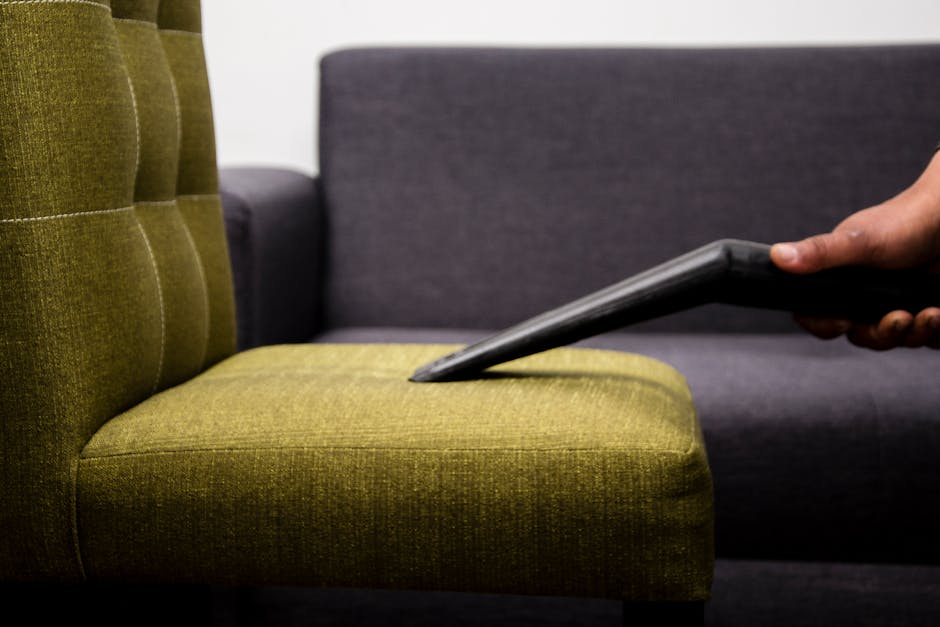
- Upholstery attachment for vacuuming: Useful for regular dust and crumb removal.
- Soft-bristled brush: Helps lift surface dust without damaging fibres.
- Microfibre cloths: Handy for gentle blotting and light maintenance.
- White towels or absorbent cloths: Better than coloured cloths when blotting spills, since dye transfer is a risk.
- Fan or air circulation: Supports drying after a proper clean.
For readers looking for a fuller furniture-care approach, the most relevant service pages on this site are sofa cleaning, upholstery cleaning, and pet stain odour removal. Those pages are useful if your main concern is a specific piece or a recurring odour rather than general fabric care.
If you are checking booking confidence as well as service quality, useful trust signals include clear pricing information, clear terms, and straightforward policies. You can review the site's pricing and quotes, payment and security, and terms and conditions pages for practical reassurance before you book.
Law, Compliance, Standards, or Best Practice
For upholstery cleaning, the main compliance theme is not a single law so much as careful, responsible practice. In the UK, anyone carrying out cleaning work in homes or workplaces should take health and safety seriously, use products appropriately, and avoid causing damage through careless methods. That sounds obvious, but it is worth stating plainly.
In a domestic setting, best practice usually means checking fabric suitability, testing in a small inconspicuous area where appropriate, using controlled moisture, and allowing safe drying. In a commercial setting, there is an added need to manage access, minimise disruption, and handle cleaning products responsibly.
For customers, it is sensible to look for signs that a provider works carefully: clear communication, insurance awareness, transparent service terms, and a sensible approach to risk. If a cleaner seems vague about method or brushes off fabric differences, that is a red flag. Not always a disaster, but enough to pause.
It is also reasonable to expect attention to environmental care and waste handling where relevant. The site's recycling and sustainability information is helpful if you want to understand how a company frames that responsibility. For practical safety and service confidence, the health and safety policy and insurance and safety pages are also worth a look.
And if you are someone who likes the paperwork side of things tidy, the company's privacy policy and about us page can help round out your sense of who you are dealing with. Small detail, but it builds trust.
Options, Methods, or Comparison Table
Different upholstery situations call for different approaches. Here is a simple comparison to help you think it through.
| Method | Best for | Pros | Watch-outs |
|---|---|---|---|
| Regular vacuuming | Light dust, crumbs, routine maintenance | Fast, low-risk, easy to keep up with | Will not remove embedded grime or stubborn odours |
| Spot treatment | Small fresh spills or isolated marks | Useful for immediate response | Can spread stains or leave tide marks if done badly |
| Professional upholstery cleaning | General dullness, stains, odours, deeper soil | More thorough and fabric-aware | Needs proper drying and the right method for the fabric |
| Combined fabric refresh | Whole rooms, multi-item cleaning, moving-in or end-of-tenancy preparation | Creates a more even visual result across the space | Requires more time and clearer planning |
In many homes, the best approach is a mix: regular vacuuming, quick response to spills, and periodic professional cleaning for the heavier build-up. That tends to give the best long-term result without overworking the fabric.
Case Study or Real-World Example
Here is a realistic example based on a common type of booking. A family in Bayswater had a three-seater fabric sofa and two armchairs that looked fine from a distance, but up close the arms had gone slightly shiny, the seat cushions held a faint food smell, and one side cushion had a dried drink mark from months earlier. Nothing dramatic. Just the sort of thing that slowly starts to bug you.
The first step was a careful inspection to check the fabric and identify the main problem areas. The cleaner then focused on vacuuming loose dust, treated the drink stain with a suitable fabric-safe product, and used a controlled cleaning method across the seating areas to avoid leaving patchy marks. The odour issue improved after the deeper extraction stage and proper drying.
What made the result work was not one miracle product. It was the combination of careful assessment, even cleaning across the contact areas, and realistic expectations about what the fabric could tolerate. The sofa did not become brand new, because of course it didn't. But it looked fresher, smelt better, and felt like part of the room again rather than something to apologise for.
That is often the real goal with Lancaster Gate upholstery cleaning Bayswater W2: not perfection, just a proper reset.
Practical Checklist
Before your upholstery clean, run through this quick checklist. It saves time and avoids a few awkward surprises.
- Identify the furniture type and fabric if you can.
- Note any stains, odours, or damage that need attention.
- Vacuum loose dust and crumbs beforehand.
- Move small items away from the furniture.
- Make sure access is clear for the cleaner.
- Ask about the cleaning method being used.
- Check how long drying is likely to take.
- Keep children and pets away from the area while it dries.
- Have a plan for cushions or covers that may need separate care.
- Review aftercare advice once the job is complete.
Expert summary: The best upholstery cleaning results come from matching the method to the fabric, treating stains carefully, and allowing proper drying. Simple, really. But it is the difference between a clean that lasts and one that causes more hassle than it solves.
Conclusion
Lancaster Gate upholstery cleaning Bayswater W2 is about more than freshening up a sofa. It is about protecting the furniture you already own, improving the feel of your space, and dealing with the slow accumulation of dirt that everyday life leaves behind. If your upholstery has started to look flat, smell stale, or show signs of heavy use, a well-planned clean can make a proper difference.
Whether you are refreshing a family home, preparing a property for new occupants, or simply trying to make your favourite chair look loved again, the key is to act before small issues become stubborn ones. And if you are unsure where to start, a little guidance goes a long way.
Get a free quote today and see how much you can save.
There is something genuinely satisfying about walking into a room and noticing the fabric looks cared for again. Not flashy. Just calm, clean, and quietly better.
Frequently Asked Questions
What does Lancaster Gate upholstery cleaning Bayswater W2 usually include?
It typically includes inspection, vacuuming, stain treatment, deep cleaning using a fabric-appropriate method, and drying guidance. The exact process depends on the material and the condition of the furniture.
Can upholstery cleaning remove old stains?
Often it can improve them significantly, but not every old stain disappears completely. Age, fabric type, and what caused the stain all affect the outcome. Fresh stains are usually easier to treat.
How long does upholstery take to dry?
Drying time varies with fabric, cleaning method, room airflow, and how heavily the item was soiled. Low-moisture cleaning usually dries faster than more water-based methods, but proper drying still matters.
Is steam cleaning safe for upholstery?
Sometimes, yes, but only when the fabric and construction are suitable for it. Upholstery-safe steam or hot water extraction should be used carefully, because too much moisture or heat can damage delicate materials.
How often should I clean upholstered furniture?
That depends on use. Busy family homes, pet households, and commercial seating often need more frequent care than occasional-use furniture. Regular vacuuming helps between deeper cleans.
Will upholstery cleaning remove pet smells?
It can help a lot, especially when the odour is caused by trapped soil or general use. For stronger pet-related issues, combining upholstery cleaning with pet stain odour removal may be more effective.
Can I clean upholstery myself?
You can handle light vacuuming and some very gentle spot treatment, but DIY methods can easily worsen stains or leave water marks. For valuable, delicate, or heavily used furniture, professional cleaning is usually the safer route.
What fabrics need extra care?
Velvet, wool blends, mixed fibres, antique materials, and items with unstable dye or delicate backing often need a cautious approach. If you are unsure, it is better to test first than to dive in and hope for the best.
Is upholstery cleaning useful for landlords and tenants?
Yes. It can help with end-of-tenancy presentation, reduce visible wear, and make a property feel more cared for. It is often part of a broader clean alongside carpets and curtains.
How do I prepare before the cleaner arrives?
Clear access, remove small items, vacuum if you can, and point out any marks or sensitive areas. That makes the visit smoother and helps the cleaner focus on the real problem spots.
What is the difference between upholstery cleaning and sofa cleaning?
Upholstery cleaning is the broader category for fabric furniture, while sofa cleaning refers specifically to sofas. If you have chairs, footstools, or other fabric items too, broader upholstery care is the better description.
Where can I find more information before booking?
You can review the site's pricing and quotes, about us, and service pages such as steam carpet cleaning if you are planning a wider home refresh. That usually gives a clearer picture before you decide.